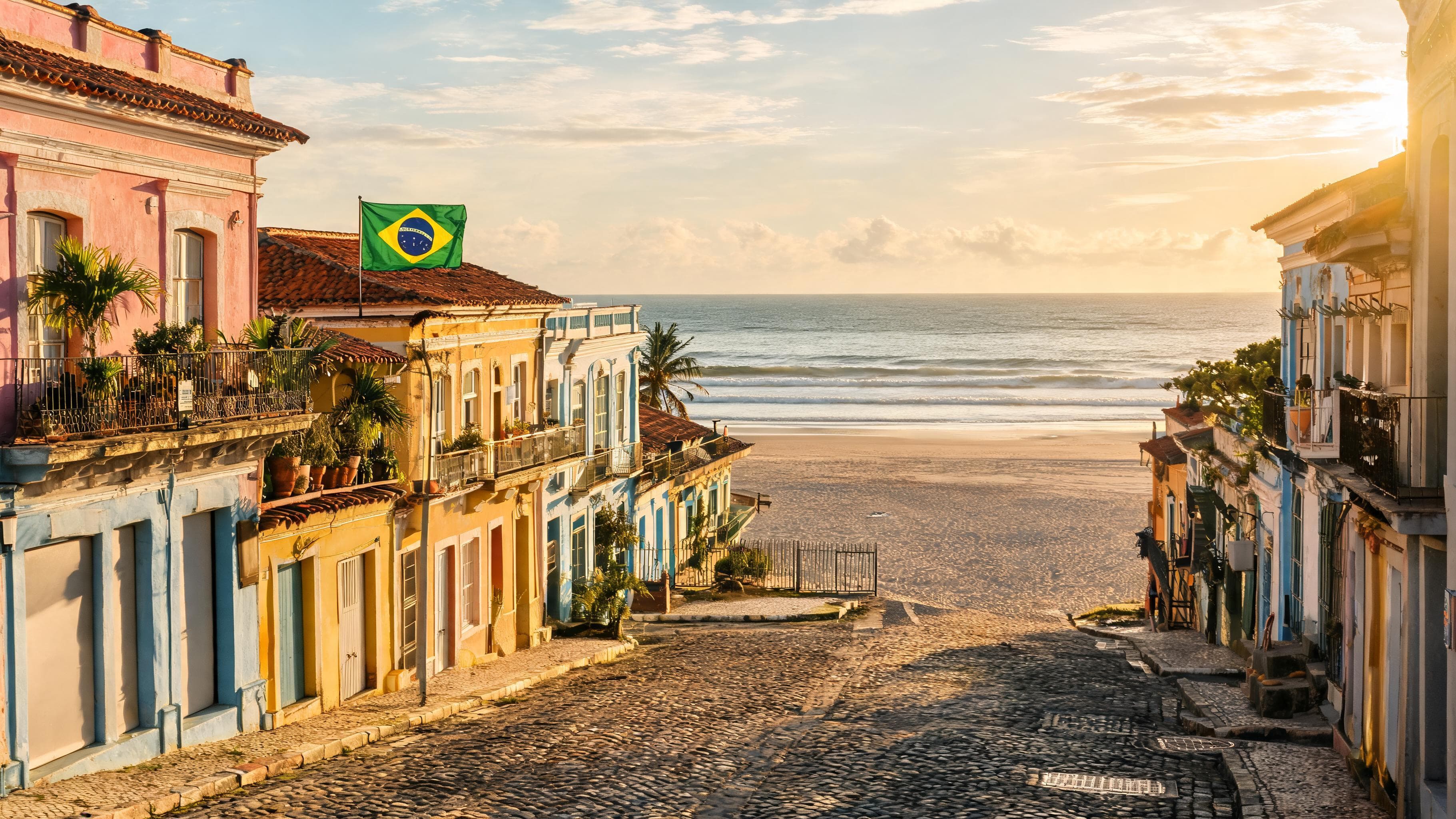
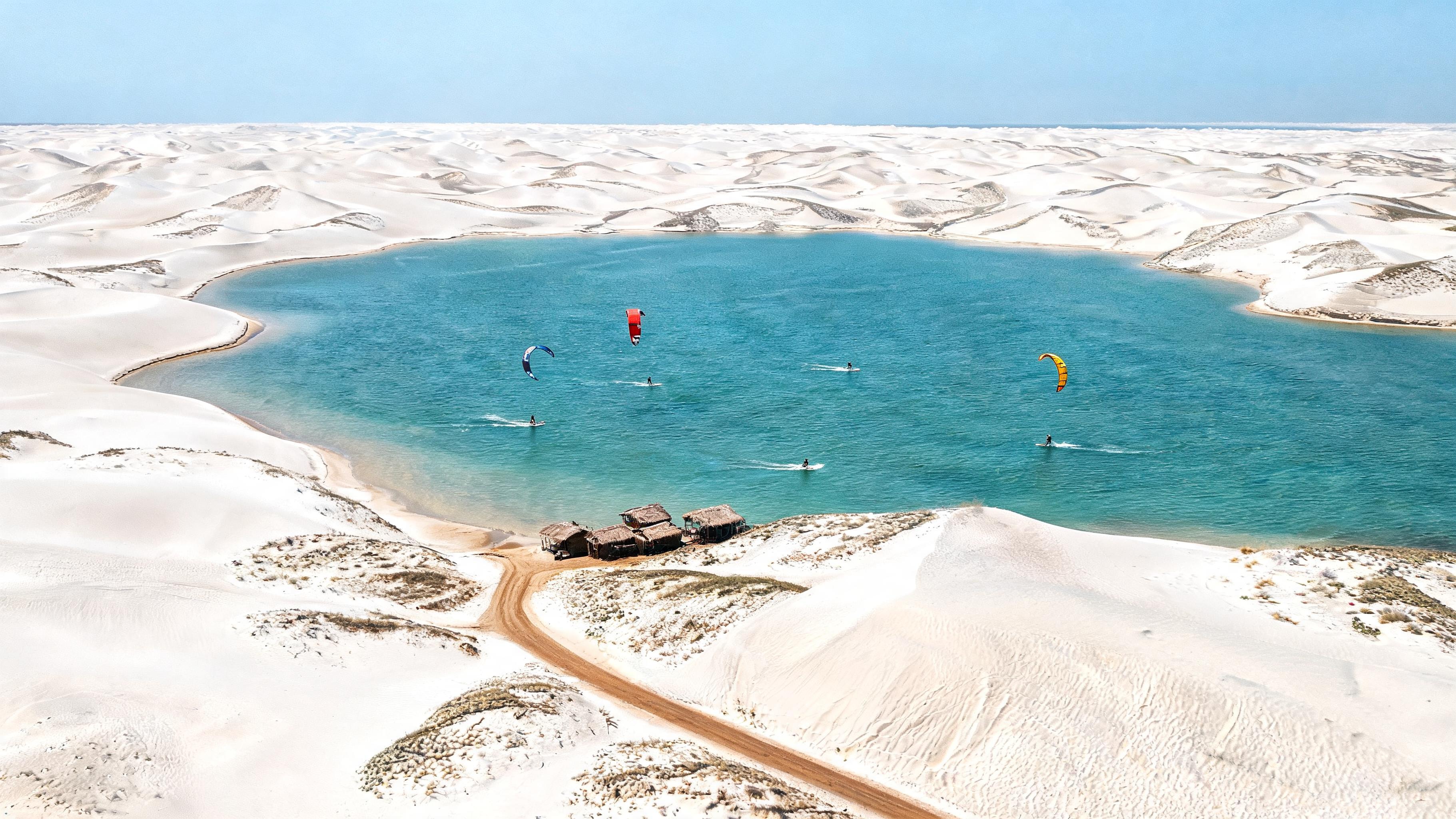
The wind starts around ten in the morning. By noon it is strong enough to pull your hat off if you are not paying attention. On Preá beach, a sandy strip in the state of Ceará, that wind is the main event. Kite lines slice the sky. Surfers in board shorts and harnesses drag their gear across the tidal flat where a small river meets the Atlantic. The scene looks like the end of the earth, which is more or less how it feels when you bounce down the dirt road from Jericoacoara and suddenly the dunes open up onto a shoreline that, until recently, belonged almost entirely to local fishermen and a few windsport addicts.
Now the rest of the world is arriving. A recent report in Folha de S.Paulo noted that Preá and neighboring Tatajuba have emerged as global kitesurfing destinations. TTW's 2026 ranking of top 30 beach spots in the Americas and Caribbean put Brazilian beaches on the map again, and this corner of the country is part of the reason why. The tourists coming here are not the same ones packing the sidewalk cafés of Ipanema. They want wind, not nightlife. They want a rented shack a hundred meters from the water, not a glass tower with room service.
But here is the part you need to hear first. Preá is not comfortable. It is not convenient. If you twist an ankle on the board, the nearest decent hospital is a bumpy drive away. The electricity cuts out. The cash economy rules because card machines fail. The beauty is raw, and raw beauty comes with splinters.
The Rio Boom and Its Backlash
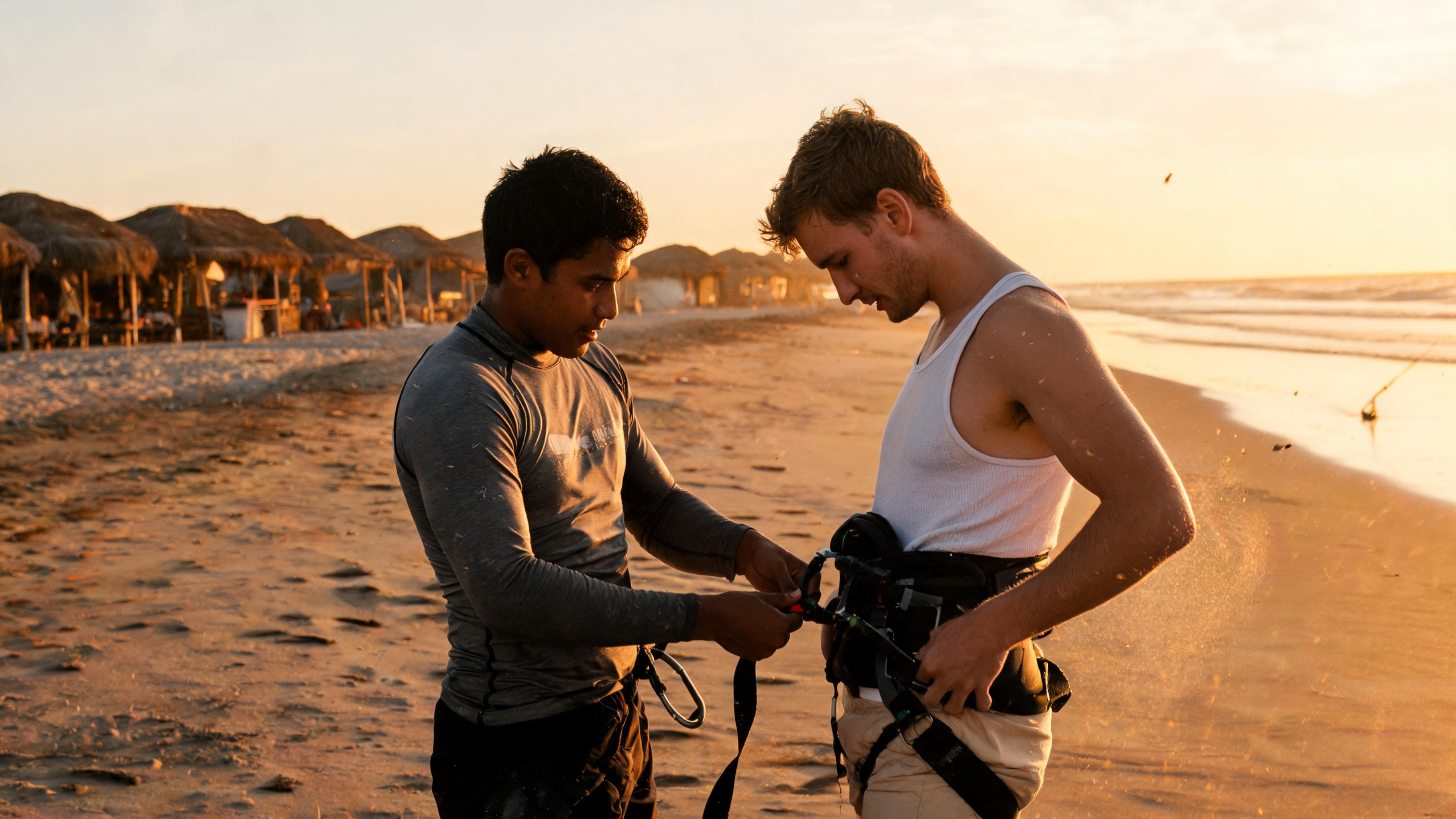
While Preá gathers a niche crowd, Rio de Janeiro is facing a flood. The Washington Post recently described how the city is trying to adapt to a tourism boom without losing its identity. You can feel that tension the moment you step out of Galeão airport. The new arrivals are everywhere. Flights from Buenos Aires, Paris, Miami, and Lisbon land full. The summer months of December through March turn the Zona Sul into a human current.
I was in Rio last February. The metro to Copacabana worked fine, as it usually does, but the busses were sardine cans and the beach sidewalks felt like a parade route at rush hour. A friend rented a one-bedroom apartment two blocks from the beach in Ipanema for the month. The price made me wince, and I have seen a lot of inflated rents. Street vendors do well, but the regulars complain that the neighborhood juice bars where they used to read the newspaper now blast music for tourists and charge triple for açai.
The city is still staggering. Some days after heavy rain, the stretch near certain canals smells of sewage. Pickpockets work the beach exits with the patience of fishermen. I do not say this to scare you. I say it because the postcard of Christ the Redeemer at sunset does not include the two-hour traffic jam to get up Corcovado, or the entrance fee that keeps climbing. Rio delivers. The view from Arpoador rock is worth the hassle. The samba in a real roda de samba, not the stage show kind, still raises the hair on your arms. But you have to earn it now. The boom has made the city louder, more expensive, and more guarded.
Where the Postcards Do Not Reach
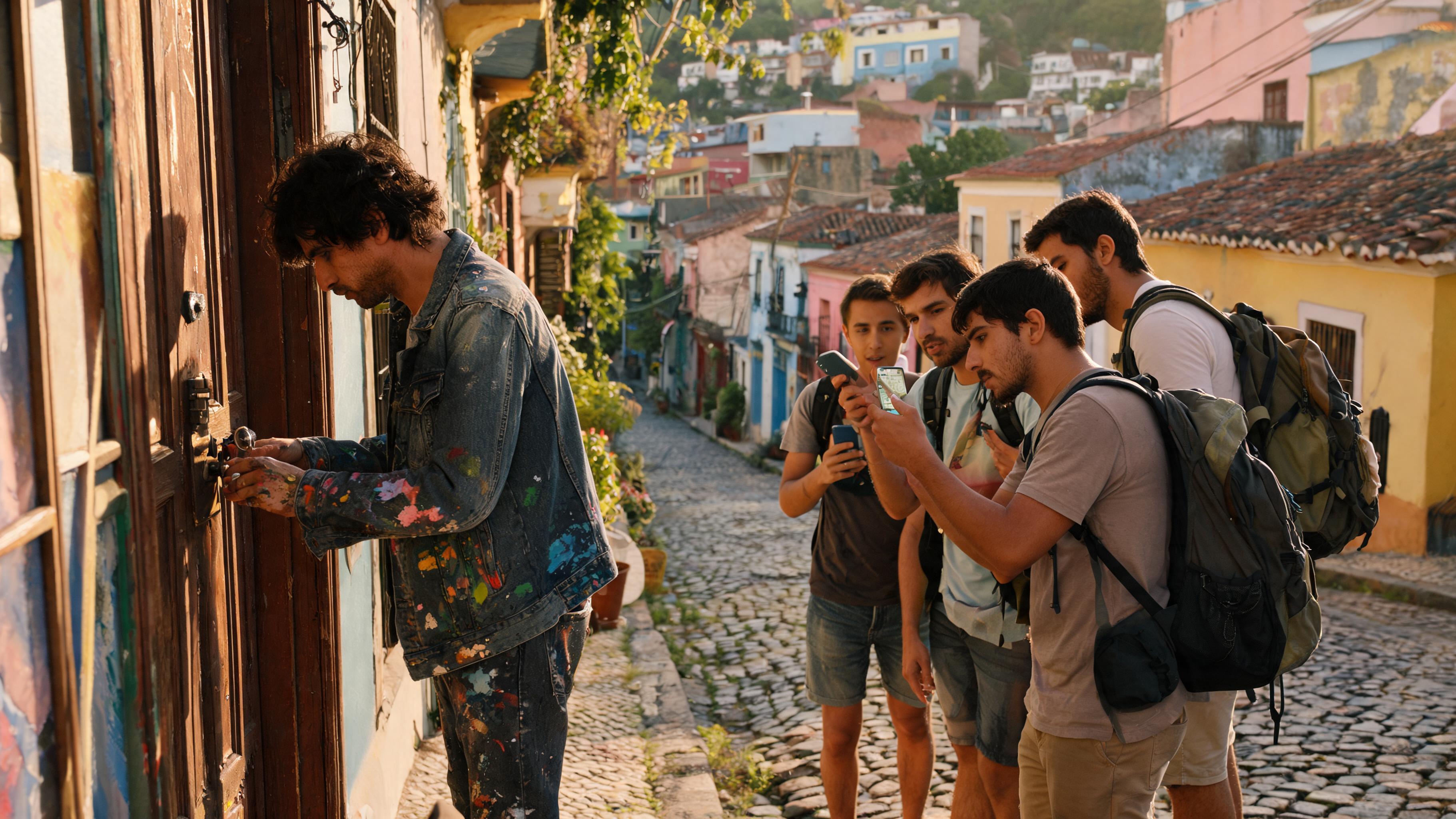
If Rio is the funnel, the rest of Brazil is the wide mouth of the jug. Quartz recently published a list of the country's most underrated destinations right now. The piece argued that the best travel in Brazil is moving away from the famous icons and into towns that still have a weekly market, a single cinema, and a plaza where old men play chess at dusk. Separately, Investopedia profiled six hidden gems for retirees seeking a serene, affordable lifestyle. I will not pretend I have memorized every town on those lists, because the truth is that "underrated" changes fast. What I can tell you is the pattern.
These places share a few traits. They are inland or on secondary coastlines. They have not built international airports yet, which means you fly to a capital and take a five-hour bus or a rickety puddle jumper. The cost of living drops by half, sometimes two-thirds, compared to Rio or São Paulo. A retired couple from Europe or North America can rent a modest house, hire a weekly cleaner, and eat fresh produce from the municipal market without touching their savings in a way that would be impossible in a major global city.
The season matters enormously. From October to March, the interior of the Northeast can feel like a hair dryer pointed at your face. The heat is biblical. The small towns go quiet at midday. Everyone shelters until four. If you come from a mild climate, you will spend those months in a state of perpetual sweat. The upside is the dry season from roughly April to September, when the skies turn an impossible blue and the nights cool down enough for a blanket.
The Seasonal Calendar No One Prints
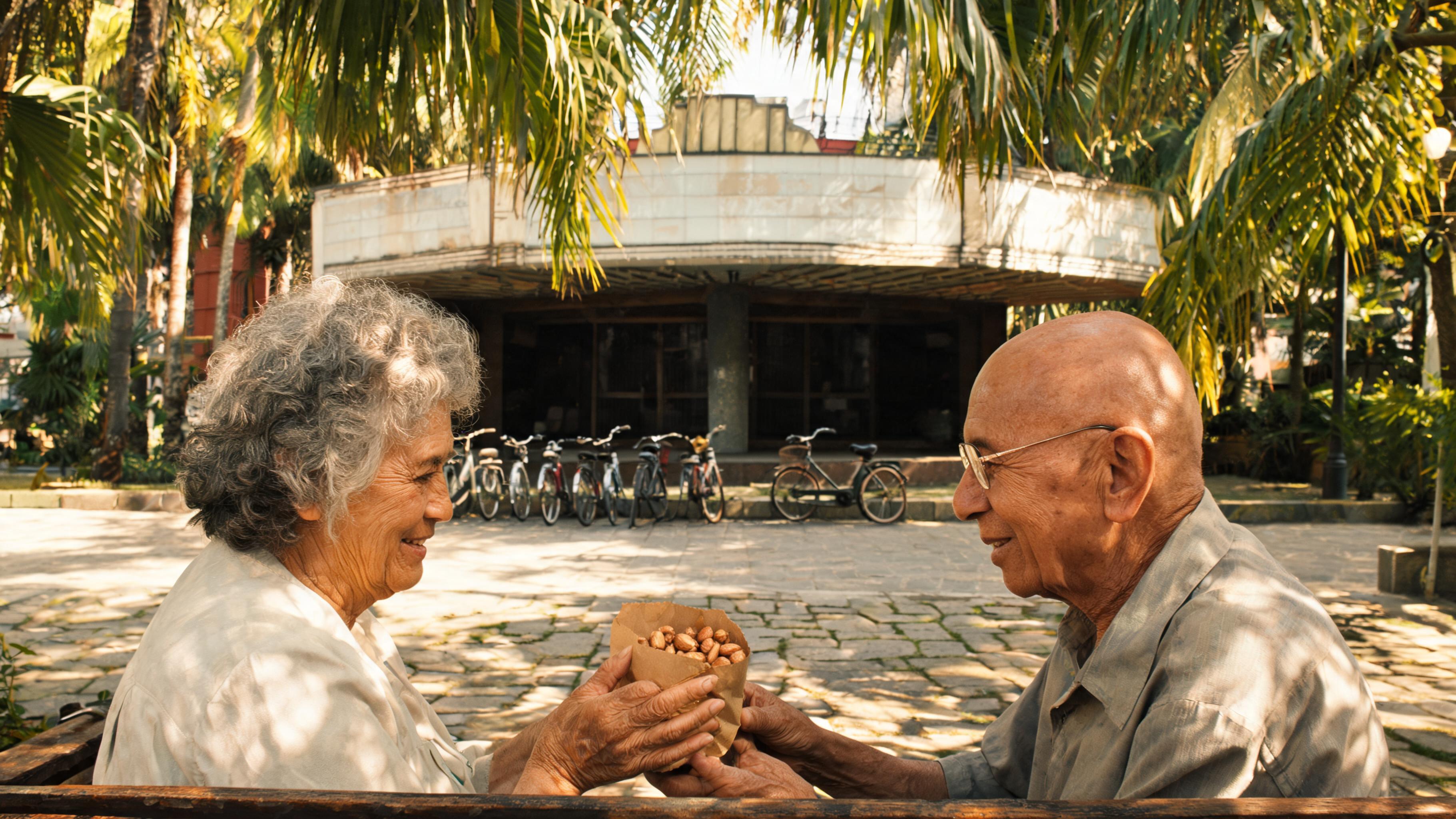
Brazil is not a year-round beach paradise in the way brochures suggest. It is a country of violent weather swings. You need to match your destination to the month, or you will spend your trip either drenched or sunburned beyond recognition.
| Destination | Best Months | What to Expect | The Catch |
|---|---|---|---|
| Rio de Janeiro | April-June, Sept-Nov | Mild temps, thinner crowds than summer | Occasional spring rain; winter surf can be rough |
| Preá / Tatajuba | June-January | Steady wind for kitesurfing, dry air | Peak wind months see inflated pousada rates; roads worsen in heavy rain |
| Interior gems (Northeast) | April-September | Cooler nights, lower humidity | Dust, limited cultural events, sparse English speakers |
| Rio high season | Dec-Mar | Festive energy, long days | Highest prices, packed beaches, higher theft risk |
The wind in Preá from June through January is a machine. It blows 25 to 35 knots many days. Beginners take lessons in the morning lull, then the pros take over by two in the afternoon. If you do not kite or windsurf, the appeal of Preá diminishes quickly. There is no shopping street. There is no historic center to wander. The beach is the activity. Tatajuba, a few kilometers west, is even sleepier. A lagoon forms behind the dunes and the kite schools set up rustic wooden platforms. You go there to do one thing, and if the wind dies, you read a book and wait.
What Disappoints
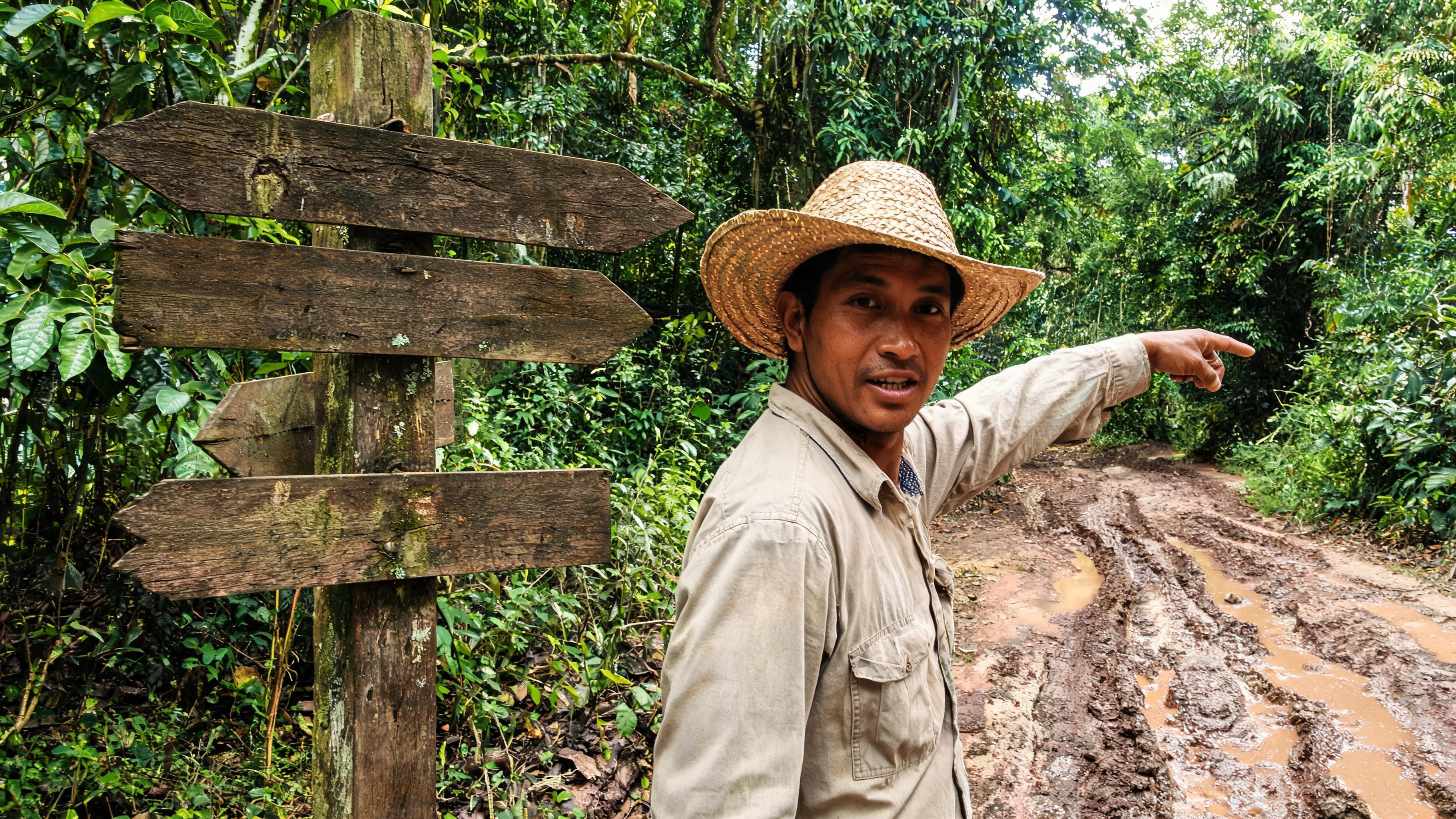
Brazil is generous with its beauty but stingy with its infrastructure, and that gap is where travelers get hurt. In Rio, you will stand in line at overpriced attractions while taxi apps surge at 3x. On the remote coasts, you will find that "beachfront pousada" means a concrete box with a fan that rattles and a shower that dribbles. The national parks that make the underrated lists often lack signage, decent trails, or reliable opening hours. I have driven four hours to a waterfall listed in a guidebook only to find the gate locked with no explanation. Hygiene standards vary. A stunning beachside fish fry might be served on a table that has not seen bleach in a week. Scams are rare in the countryside but common at Rio's bus stations, where fake porters grab your bag and demand a fee. None of this is a reason to stay home. It is a reason to adjust your expectations before the plane lands.
The Honest Math
I am wary of quoting exact prices because they rot faster than fruit in the tropics. What I can offer is the ratio. A month in a comfortable apartment in a small inland town currently costs what a week in a Rio beachfront hotel costs during Carnival. A daily seafood lunch in Preá runs less than a single cocktail at a Leblon rooftop bar. The TTW ranking and the Folha report on Preá and Tatajuba signal that these ratios are under pressure. As global attention lands, prices rise. The retirees in the Investopedia piece are buying or renting now because they see the window closing.
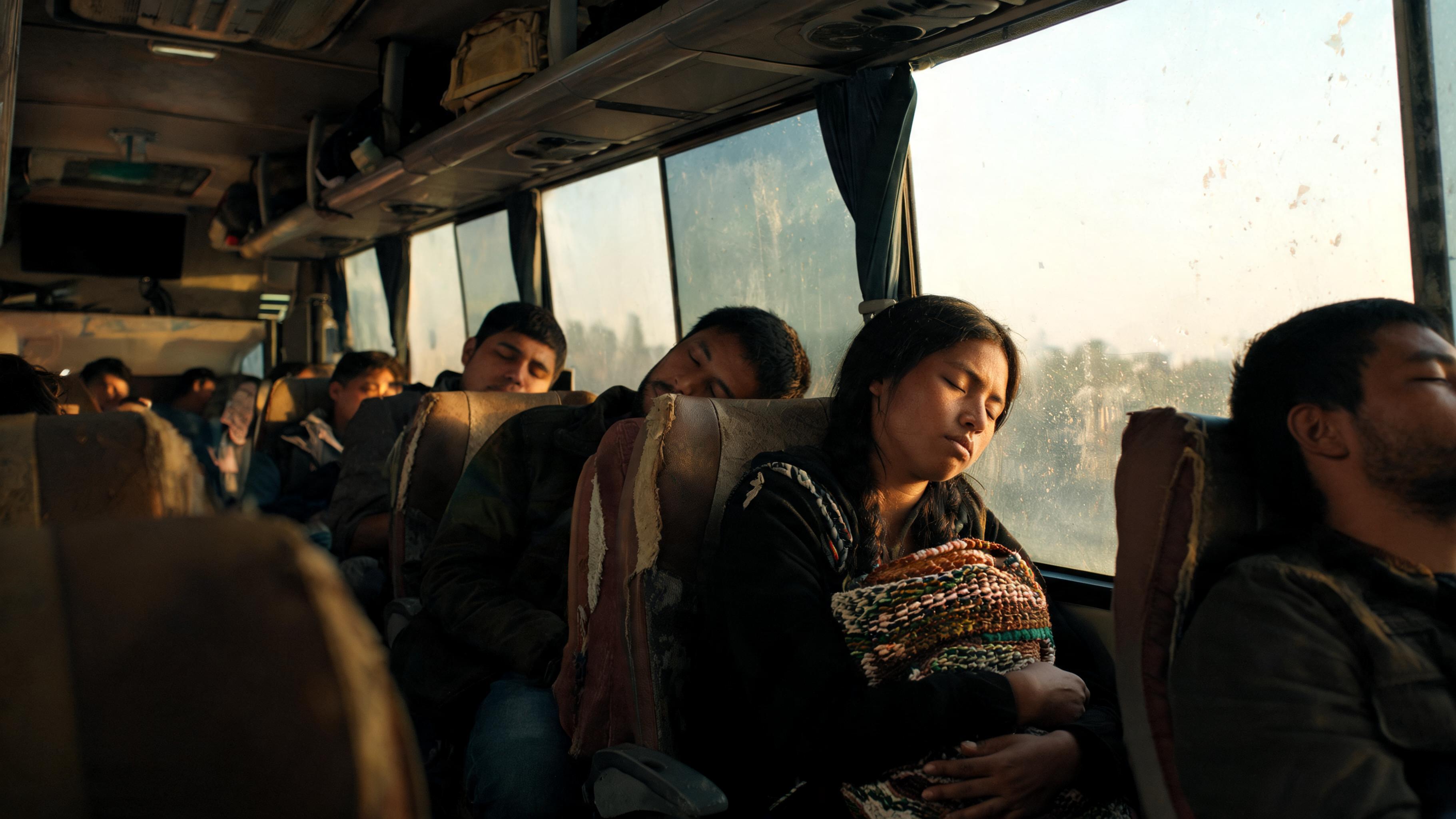
Transport is the hidden cost. Brazil is huge. A flight from Rio to Fortaleza, the nearest big city to Preá, takes three hours. Then you face a five-hour overland transfer. Domestic airfares swing wildly. If you do not book a month ahead, you might pay as much for a Rio-Fortaleza ticket as you did for your international leg. Buses are cheaper and surprisingly comfortable, but they eat days. Factor that in. A two-week trip that tries to combine Rio, the southern mountains, and a northeastern beach is a logistical marathon, not a vacation.
How to Choose
For energy, urban density, and the classic icons, go to Rio. Go in April or November. Stay in Santa Teresa or Lapa if you want music, or in Copacabana if you want to wake up and walk straight to the sand. Keep your phone in your front pocket. Take the metro. Accept that you are one of millions.
For wind, sand, and a schedule dictated by the tides, go to Preá or Tatajuba. Go in August or September, when the wind is steady but the holiday hordes have not arrived yet. Stay for at least ten days. Anything less is not worth the journey.
For the Brazil that still feels like a secret, pick one of the smaller towns that the recent retiree and underrated-destination reports have started to expose. Go for a month, not a weekend. Learn a few sentences of Portuguese. Shop at the market. Expect boredom. Boredom is the point.
Brazil is not a country you conquer in a single trip. It is too big, too contradictory, too beautiful in one place and too frustrating in the next. The tourism boom in Rio is real. The global kite crowd in Ceará is real. The quiet towns drawing long-stay foreigners are real. You just have to decide which Brazil you can afford, in money and in patience, and match your season to the shore.
Marina Sá