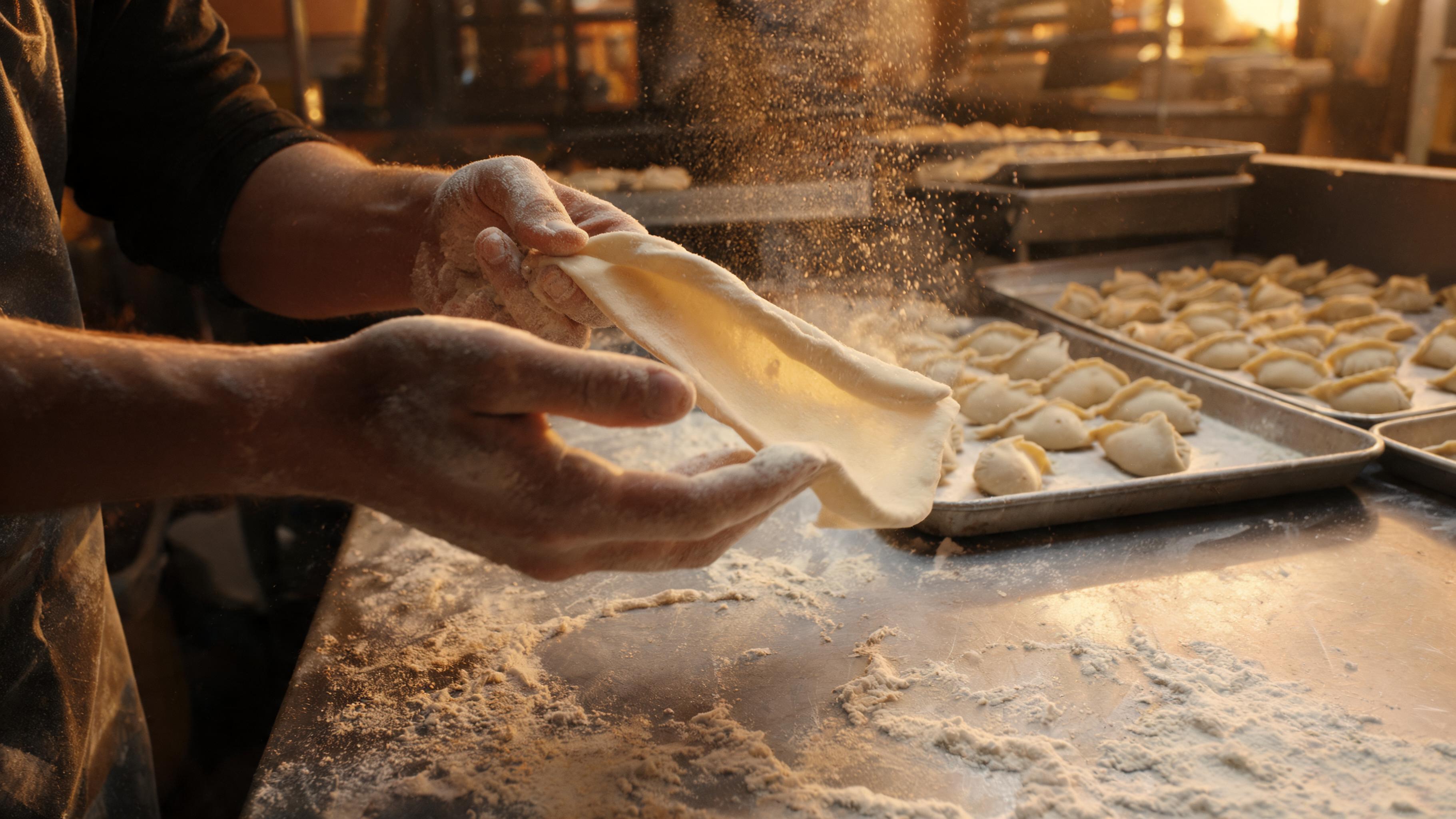
Start with the dough. In the back kitchens of São Paulo's old Arab bakeries, someone is stretching esfiha dough at six on a winter morning. The yeast smells like warm beer and wheat. Fog sits low over the city. You do not come to Brazil first for the esfiha. Most newcomers head straight for feijoada or churrasco. But the esfiha, open-faced and bright with sumac-spiced beef or spinach, is the quiet masterpiece of Brazil's most underrated food corridor.
I read a dispatch recently from the Agência de Notícias Brasil-Árabe that mapped the paths of Arab cuisine here. It is not a new story, but it is one we forget. Lebanese and Syrian immigrants arrived between the 1880s and 1960s, settled in São Paulo and Rio, and then vanished into the brick ovens of the city. Today, the path runs through kibe, esfiha, and tabule. But this is not a museum piece. The Brazilian Arab kitchen adapted. Kibe is often fried darker here than in Beirut. Some padarias stuff esfiha with catupiry cheese, a very Brazilian betrayal that somehow works.
If you are new to Brazil, try the esfiha aberta first. It is the open-faced version, crisp at the edges, and it tells you immediately whether the bakery understands its oven. Skip the pre-made closed esfihas sitting under heat lamps in gas stations. They taste of cardboard and regret.
The best concentration remains in São Paulo. Neighborhoods like Mooca and Brás still hold family bakeries where Arabic and Portuguese swirl together at the counter. A good esfiha and a strong coffee should not cost more than a modest lunch, though prices in São Paulo rise faster than inflation. Be careful with hygiene at street festivals. The kibe trays look tempting, but if they have been sitting in the sun for two hours, walk away. Foodborne illness is not a souvenir you want.
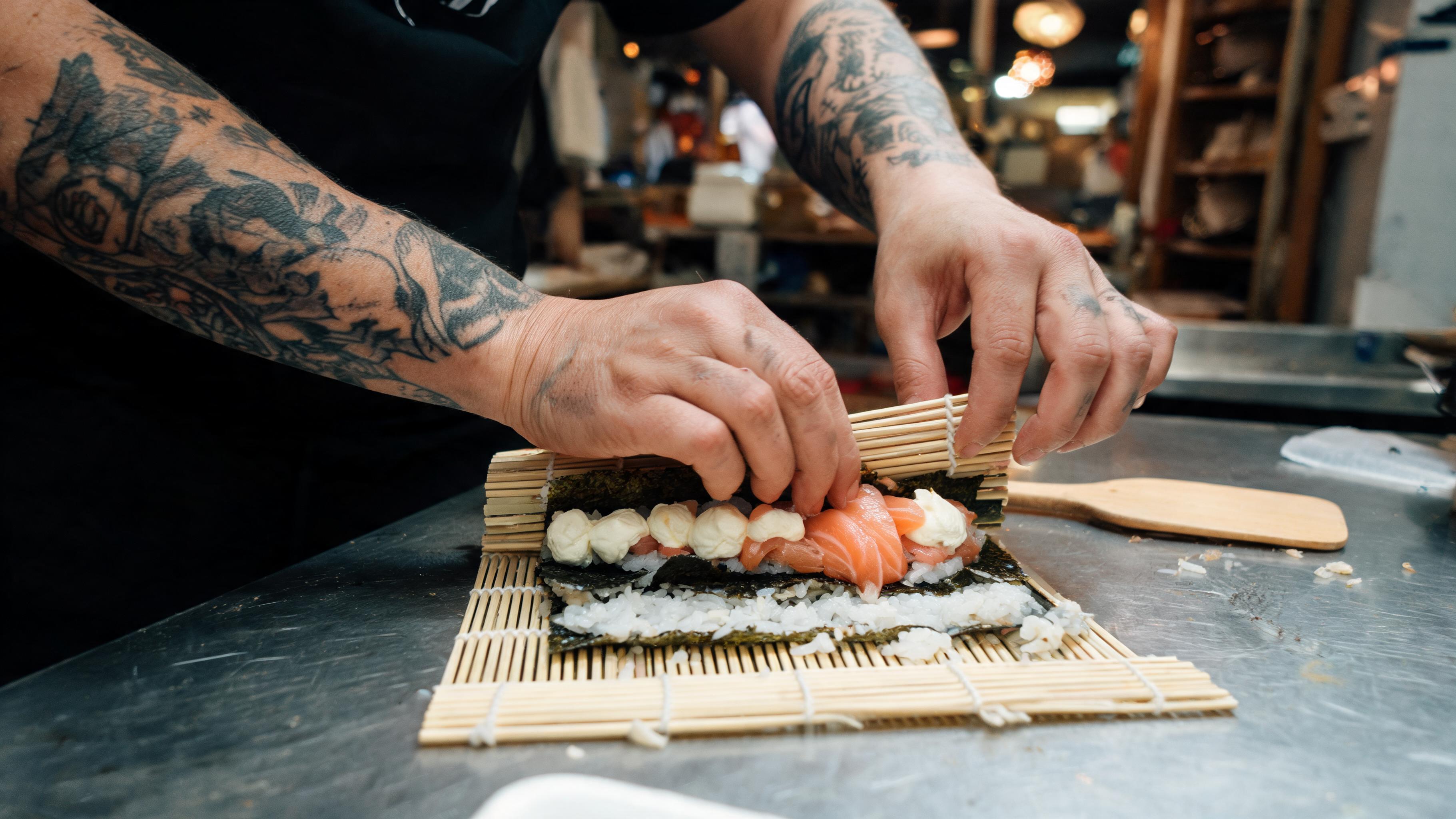
Now consider the rice. While Arab dough settled into São Paulo's brick, Japanese immigrants landed in the coffee plantations of the interior and rebooted their cuisine completely. A report from UOL caught my eye this month. Brazilian sushi, once dismissed as a strange cousin, is now a trend in Japan itself. São Paulo invented the hot roll slathered with cream cheese. We wrapped mango around salmon. We deep-fried temaki and added passion fruit sauce. Japanese purists winced. But somewhere in Tokyo right now, a diner is eating a Philadelphia roll and calling it Brazilian style.
This cuisine was born in Liberdade, São Paulo's Japanese neighborhood, and in the fishing towns of Paraná and Mato Grosso do Sul where immigrants adapted to local fish. The hallmark is abundance. Brazilian sushi is not about the subtle slice of tuna. It is about the combination, the excess, the hot and cold in the same roll.
If you are a newcomer, try the temaki first. It is a hand roll, easy to read, and a good shop will let you watch them build it. Try the hot roll with salmon and cream cheese if you want the classic Brazilian-Japanese experience. Skip the all-you-can-eat rodízio joints if you care about freshness. They are fun for groups, but the rice is often cold and the fish turns rubbery after the third round. Also, rodízio places can be scams if they charge by time and you do not notice the clock. Check the bill carefully.
Arab dough and Japanese rice are only two threads. The rest of the quilt is older, indigenous, African, Portuguese. And it changes completely by state.
Pará and the Amazon
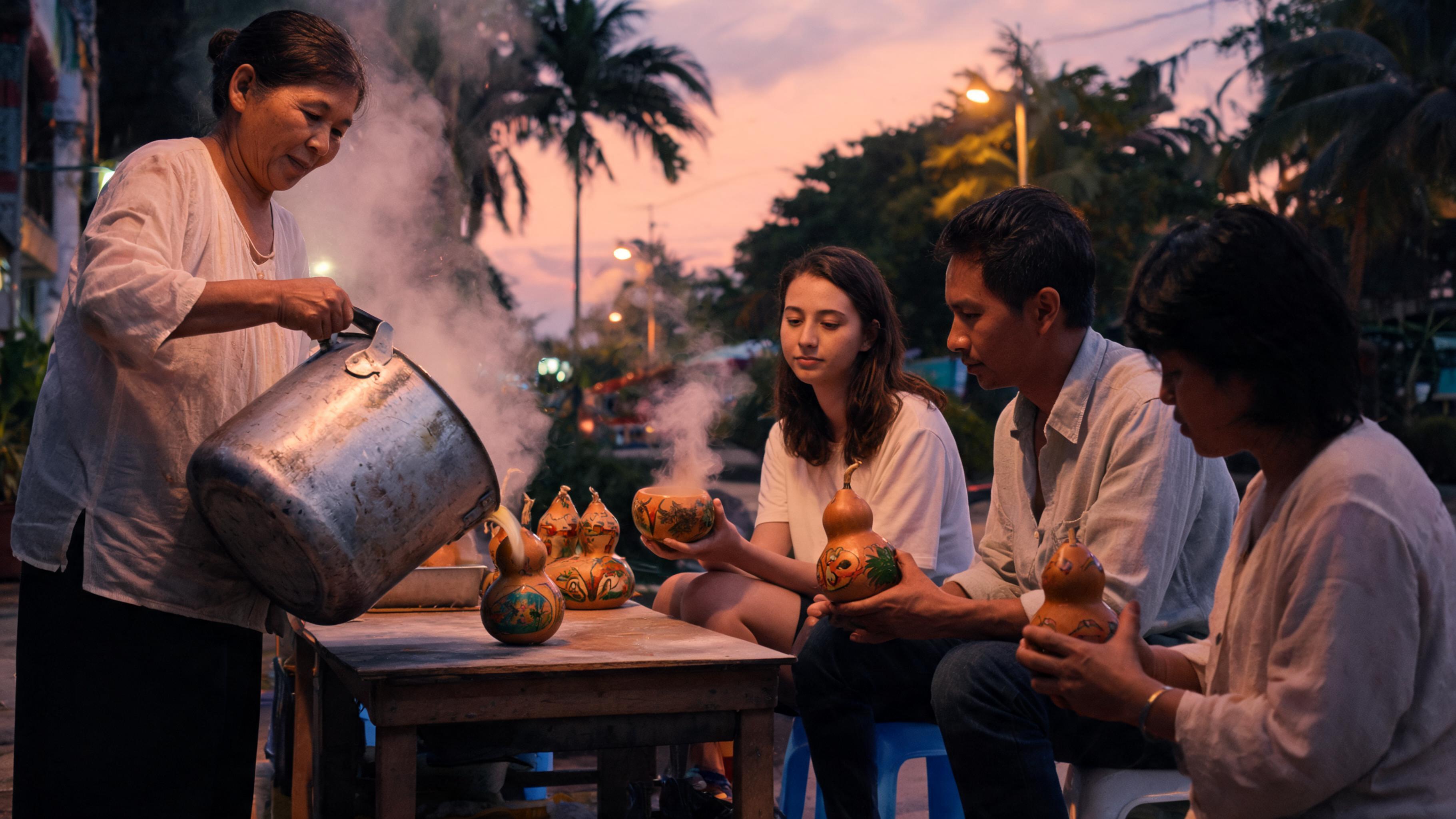
In Belém, the afternoon belongs to tacacá. It is a soup of manioc broth, jambu leaves that numb your tongue, and dried shrimp, served in a gourd. It is street food, sold by women called tacacazeiras who set up plastic stools on sidewalks. The season is year-round, but the rain between December and May makes the afternoon heat thick enough to justify the sour, electric shock of the broth. Try this first if you land in the north. It is unlike anything else. Pato no tucupi, duck in manioc broth, is a Christmas and June festival dish. Açaí in Pará is still savory, eaten with fried fish or tapioca flour. Skip the sweetened açaí bowls sold on Rio beaches. They are dessert, not the real thing.
Bahia
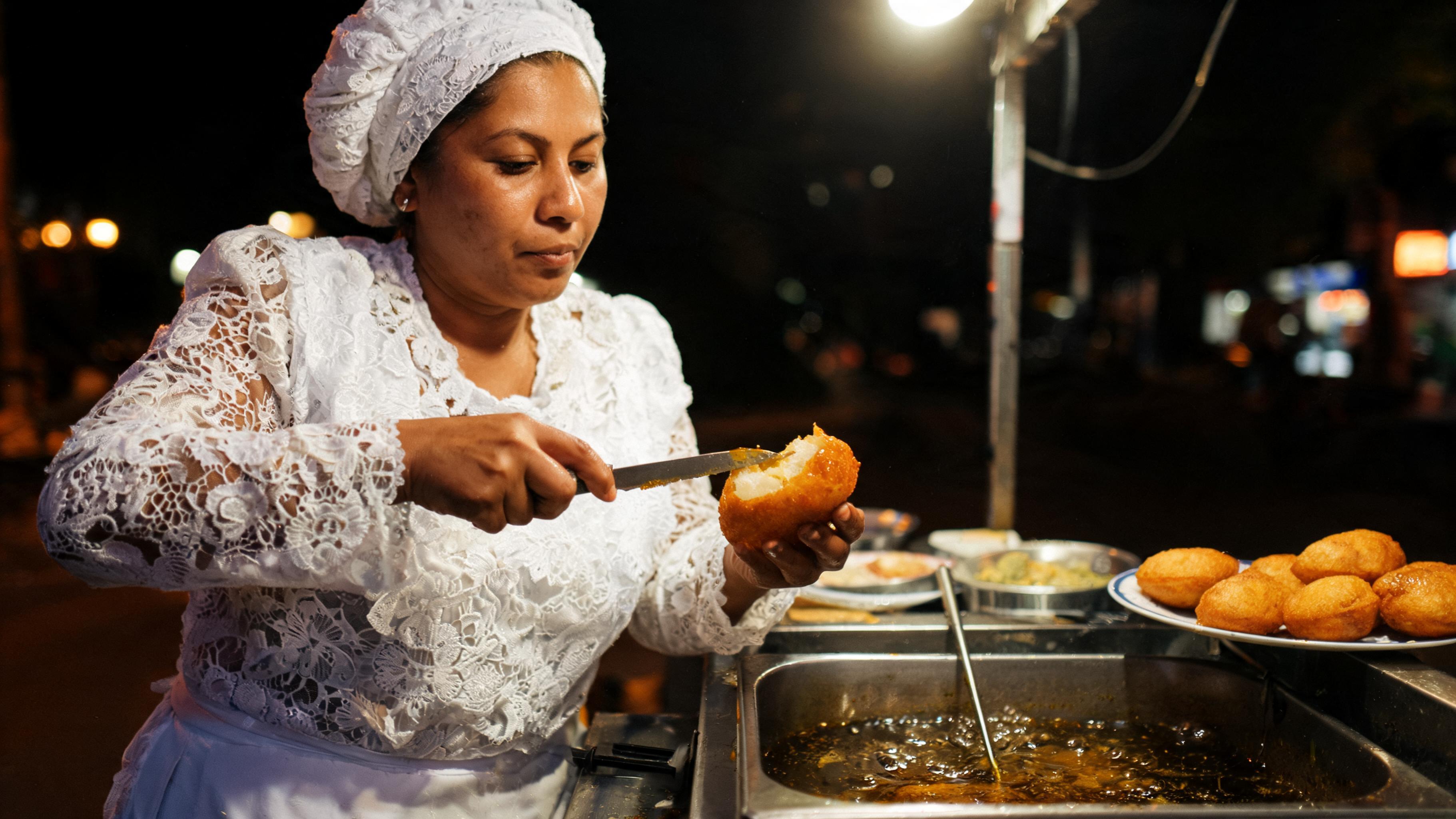
Salvador is the capital of Afro-Brazilian cooking. Acarajé is the entry point. It is a black-eyed pea fritter split open and stuffed with vatapá, shrimp, and caruru, fried in dendê palm oil. The baianas de acarajé wear white lace and sell them at night in the historic center and at the beach. The dendê oil is heavy and rich. If you have a sensitive stomach, eat one, not three. Try acarajé first in Bahia. Skip the versions sold in shopping malls outside the state. They lack the fermented tang of the proper vatapá.
Pernambuco and Ceará
Recife and Fortaleza share a love of tapioca, but the fillings divide them. In Pernambuco, bolo de rolo, a thin cake layered with guava paste, is the signature sweet. In Ceará, carne de sol, sun-dried beef, appears with mashed cassava and butter. The Northeast is hot and dry for much of the year. Heavy food at noon will slow you down. Eat tapioca for breakfast. It is light, hot off the griddle, and safe.
Minas Gerais
The central plateau state is Brazil's dairy and mineral kingdom. Pão de queijo, cheese bread made with cassava starch, is the perfect first bite. It is gluten-free by accident, not design, and it has a chewy, elastic crumb. Feijão tropeiro, beans with cassava flour, eggs, and dried meat, is a plate of history. Try it in a comida mineira restaurant in Belo Horizonte or Ouro Preto. Skip the airport versions. They are dry and reheated.
Rio de Janeiro
Feijoada is Saturday. Everywhere in Rio, from Lapa to Leblon, restaurants serve the black bean and pork stew until mid-afternoon. The traditional sides are orange slices, collard greens, and farofa. It is heavy, salty, and demands a nap. If you are new, try feijoada once, but do not plan a hike afterward. What to skip: feijoada served on non-Saturday days in tourist traps. It is often a reheated shadow of itself.
Espírito Santo
Just north of Rio, the moqueca capixaba is a sibling rivalry with Bahia's moqueca. It uses olive oil and annatto instead of dendê palm oil and coconut milk. It is lighter, sharper, and usually made with local fish like whiting or sea bass. Try it in Vitória or Vila Velha, ideally during the warmer months when the fishing is steady.
São Paulo
Beyond the Arab and Japanese pockets, São Paulo is the pizza capital of South America. The city has more pizzerias than Bologna, or so the locals claim. Paulista pizza has a thick, bready crust and aggressive toppings. Brazilians eat it with ketchup and mustard, a habit that horrifies Italians. Try a classic mozzarella with oregano at a traditional joint in Bexiga or Pinheiros. Skip the franchise delivery late at night. It is bready and sad.
Paraná
On the coast, in Morretes and Antonina, barreado is the dish. Beef is cooked in a clay pot sealed with manioc flour paste for hours until it falls apart. It is served with bananas and farinha. It is wet, dark, and deeply comforting. The coastal humidity in summer makes the meal feel like a sauna, but the flavor is worth it.
Rio Grande do Sul
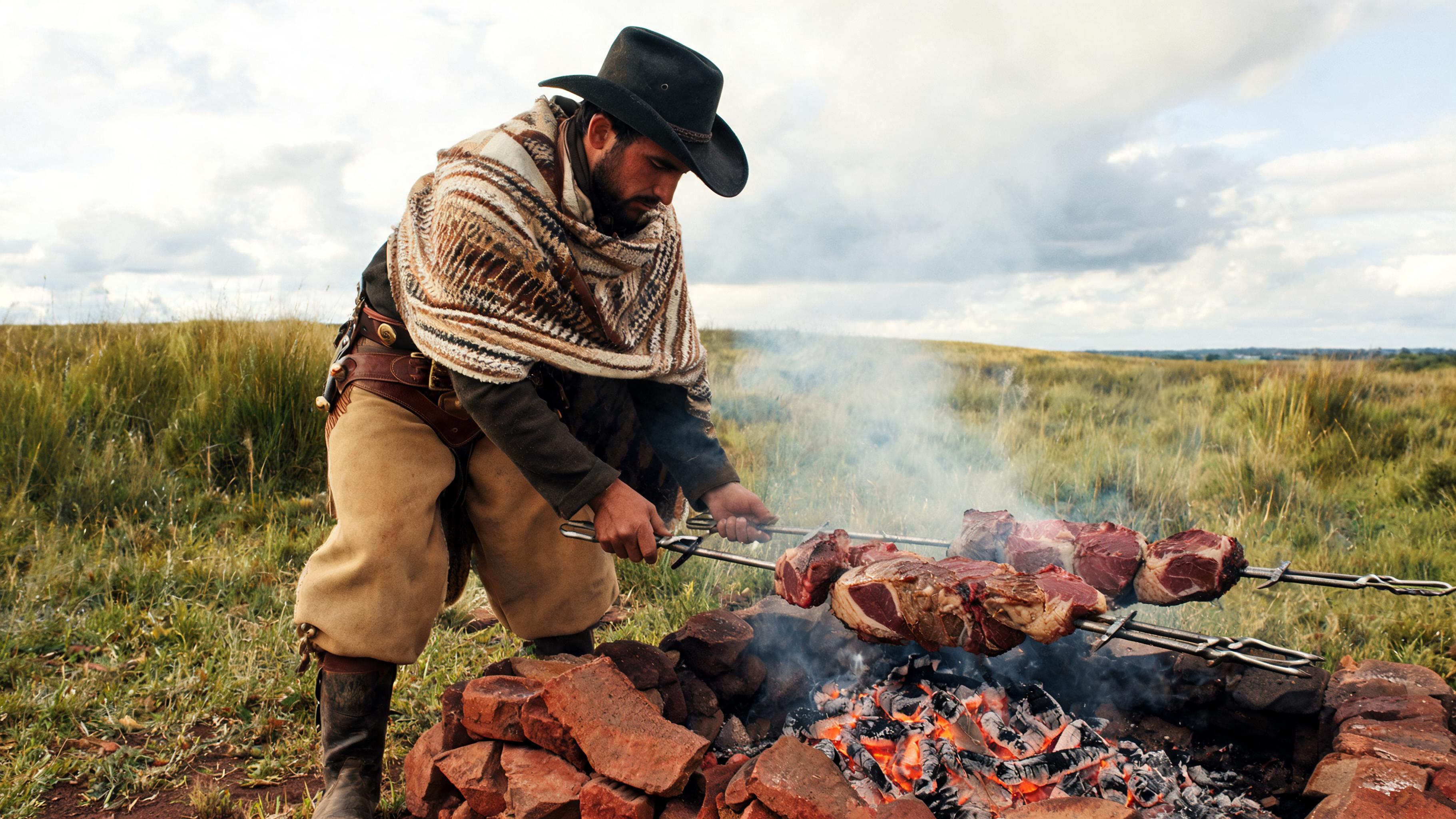
Churrasco is the religion. In the pampas of the south, gauchos roast beef over charcoal on skewers. The traditional churrascaria offers an endless parade of meat. Winter, especially around the Farroupilha festival in September, is the high season. If you are new, try the picanha, the top sirloin cap. It is the cut that made Brazilian steakhouses famous abroad. Skip the chicken hearts if you are squeamish, though locals love them.
Mato Grosso do Sul
Here, Japanese immigration meets the Pantanal. The town of Campo Grande is famous for sobá, a noodle soup adapted by Okinawan immigrants using local wheat noodles that resemble udon but are distinctly Brazilian. It is usually eaten at lunch and comes with sliced hard-boiled egg, chives, and sometimes chorizo. It is cheap, filling, and honest.
Goiás
In the cerrado, the pequi fruit dominates. Arroz com pequi is rice cooked with the golden, pungent fruit. The fruit has spines inside. Eat it carefully, or you will spend the evening picking thorns from your gums. It is an acquired taste. Newcomers should try it with caution.
In the gaps between these giants, there are more. Amapá does caldeirada de tamuatá, a river fish stew. Amazonas serves pirarucu de casaca, the giant arapaima baked in manioc flour. Maranhão has arroz de cuxá, a sour green with dried shrimp. Santa Catarina grows oysters in the cold southern water. You cannot eat them all in one trip. Choose by region.
Here is a quick map for your first week.
| State | Dish | Try It First? | Skip If... |
|---|---|---|---|
| Pará | Tacacá | Yes, unique | You hate sour, numbing flavors |
| Bahia | Acarajé | Yes, essential | You cannot handle palm oil |
| Minas Gerais | Pão de queijo | Yes, daily | You are lactose intolerant |
| Rio de Janeiro | Feijoada | Yes, once | You need to stay awake |
| São Paulo | Esfiha aberta | Yes, cheap and perfect | You are in a gas station |
| Rio Grande do Sul | Picanha churrasco | Yes, the benchmark | You are vegetarian |
| Paraná | Barreado | Yes, if on coast | It is 35°C and humid |
| Goiás | Arroz com pequi | No, build up to it | You are impatient with spines |
| Mato Grosso do Sul | Sopa de sobá | Yes, for lunch | You wanted ramen |
For ingredients, go to the Mercado Municipal de São Paulo for spices, dried shrimp, and pastel de bacalhau. Go to the Ver-o-Peso market in Belém for açaí and manioc products. In Rio, the street markets on Saturday mornings sell fresh fruit, but keep your wallet in your front pocket. Crowds attract pickpockets.
Hygiene is generally good in formal restaurants, but street food is a gamble. Look for high turnover. If the cook is serving constantly, the food is fresh. If the pot looks like it has been simmering since morning with no customers, pass. Prices in São Paulo and Rio are high by South American standards. A full meal in a decent restaurant can cost twice what it does in the northeast. Budget accordingly.
Brazil is not one cuisine. It is a dozen climates, three major immigrant waves, and countless state loyalties. Start with the esfiha in São Paulo. Move to the sushi with cream cheese. Then head north and let the tacacá numb your tongue. You will not understand the country until you eat it region by region.
Chef Tomás Andrade