A wedge of Hokkaido kabocha, simmered in dashi until the flesh surrenders its sweetness without collapsing into mash, belongs to autumn and early winter in northern Japan. The pumpkin has dry, chestnut-like flesh that holds its edges even after twenty minutes under an otoshi-buta drop lid, concentrating the broth of Rishiri kombu and shaved katsuobushi into a glaze that barely clings to the skin. This is kabocha no nimono. It is home cooking. It is usually plated in a ceramic dish no larger than your palm, set beside a bowl of rice and a rectangle of grilled fish, and it costs less than a cappuccino in central Tokyo. If you are visiting Japan for the first time, eat this before you eat anything else. It teaches you the architecture of the Japanese palate: restraint, depth, and the supremacy of texture over spectacle.
The world outside Japan has lately discovered that this kind of cooking is worth serious money. Resy recently profiled New York restaurants that are building entire concepts around ichiju-sansai, the rhythm of one soup and three sides that governs Japanese home meals. In San Francisco, a new Mission District spot called Anju is pushing Japanese-Korean fusion into the mainstream cocktail scene. Down in Atlanta, Food and Beverage Magazine is steering readers toward UMI as that city's definitive sushi destination. And CNBC reports that a Netflix cooking show has rewired global travel patterns so aggressively that featured restaurants are seeing booking jumps of 303 percent. The hunger is real. It is also televised.
But here is the problem with eating Japan through a screen. The camera loves a twelve-seat omakase counter lit by a single Edison bulb. It loves a ramen chef whose eyebrows have been immortalized in slow motion. It does not love the farm north of Saitama where a grower stands in a greenhouse at five in the morning, checking the turgidity of a spinach leaf to decide whether it is worthy of shipment. The Japan Times recently gave voice to exactly these people, collecting stories from farmers and chefs who operate at the unglamorous center of the supply chain. Their testimonies are not about plating or concept. They are about dirt, rain, and the stubborn belief that a specific variety of turnip matters. That turnip matters to your plate more than any Netflix algorithm does.
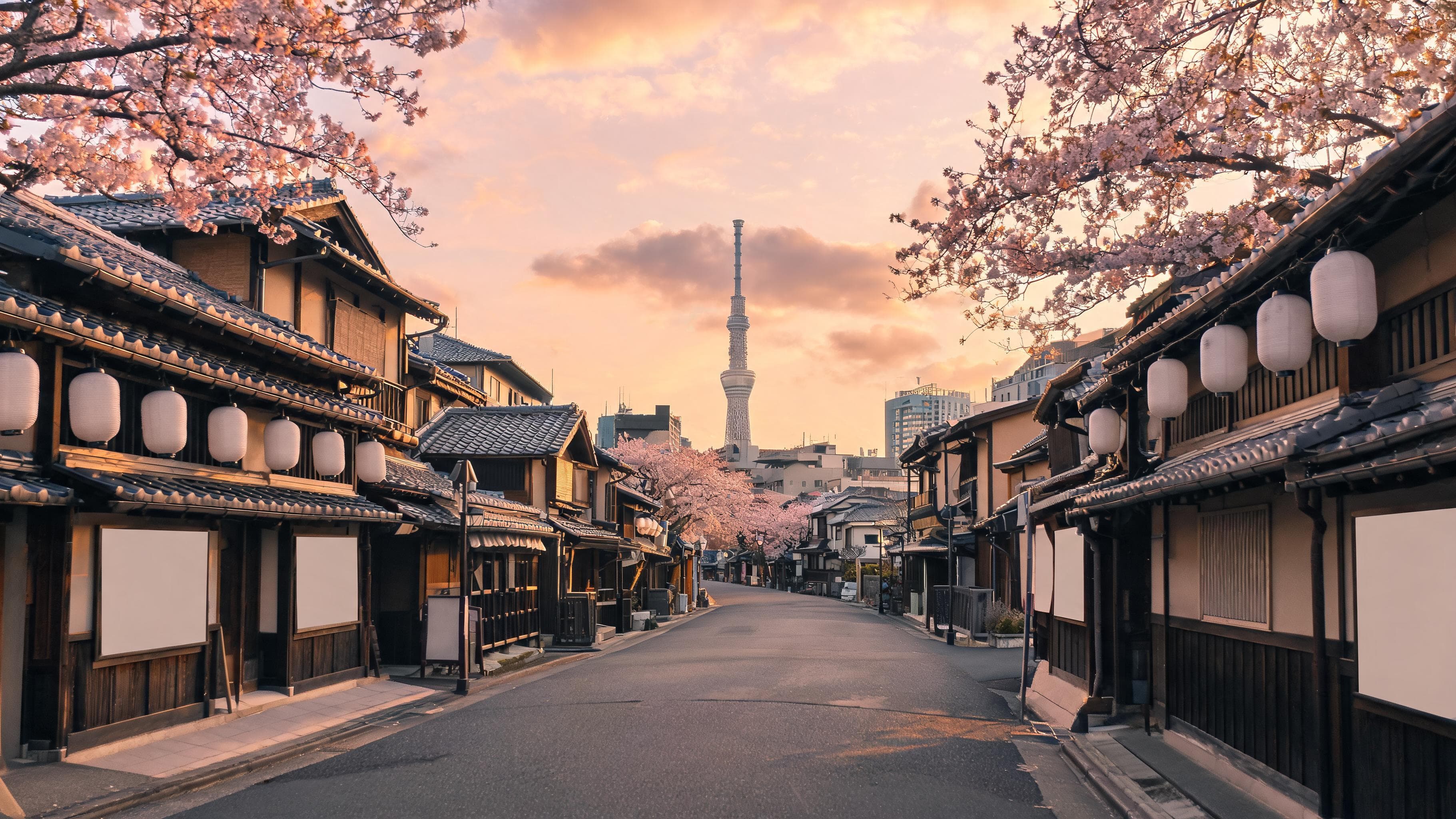
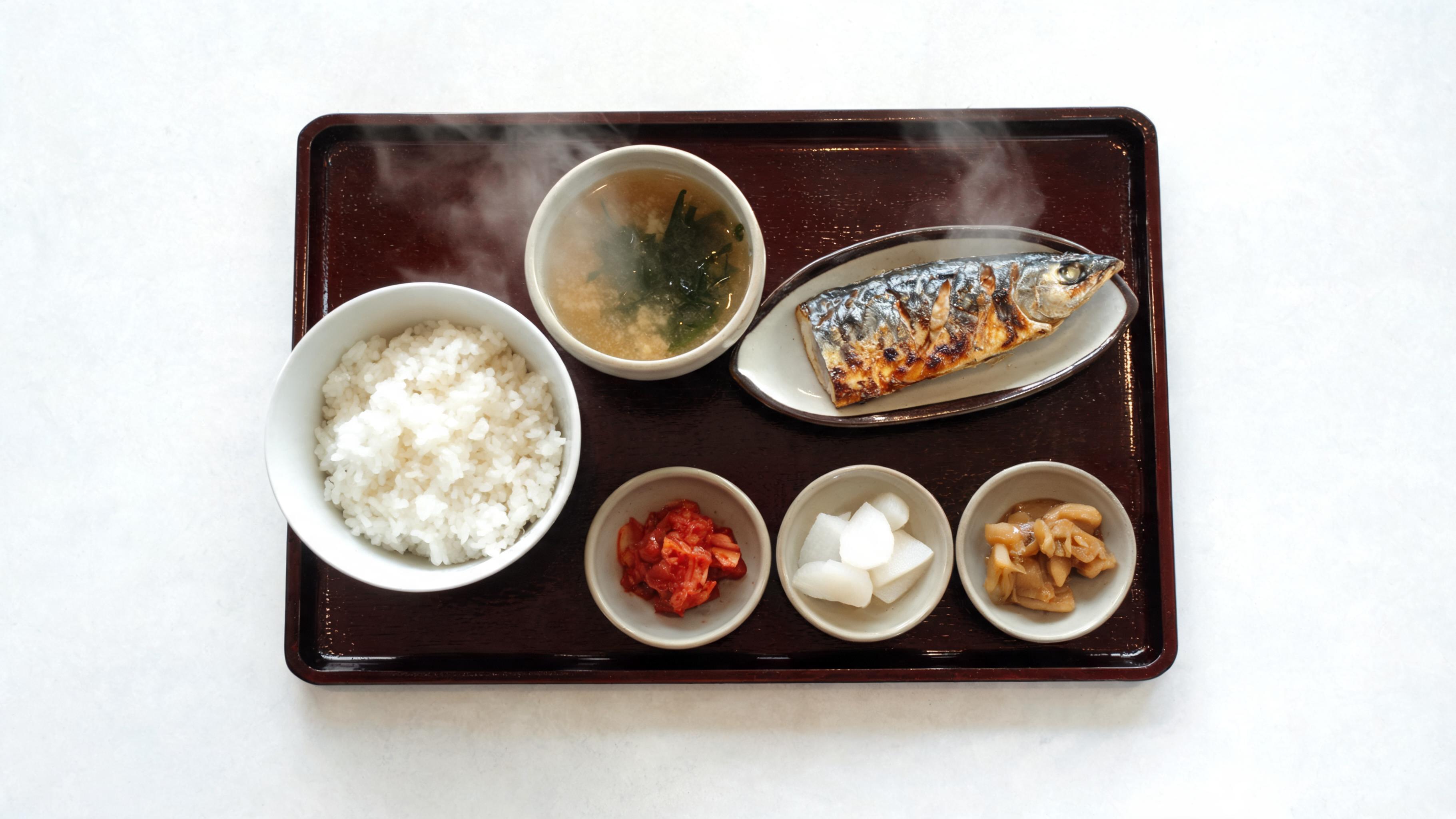
When you land at Narita or Haneda, the noise of that global hype will follow you. Taxi screens advertise wagyu steakhouses. Your hotel concierge will have a list of must-book counters. My advice, forged from years of cooking and eating here, is to ignore all of it for the first forty-eight hours. Instead, find a teishoku-ya, a home-style diner. These places are everywhere: on the second floor of an Osaka station building, tucked behind a Nagoya bicycle shop, glowing with fluorescent tubes in a Fukuoka alley. They serve set meals built around the ichiju-sansai structure. A recent teishoku menu I ate in Setagaya included warm barley rice, miso soup with wakame, a slice of grilled mackerel, that simmered kabocha, and a thimble of takuan pickles. The bill was under a thousand yen.
That meal is the real Japanese arrival. The rice is the point. The fish and pickles are okazu, literally things that accompany the grain. This hierarchy is non-negotiable. If you skip the rice to save carbohydrates, you have missed the logic of the cuisine. Newcomers often head straight for sushi or wagyu because those are the words that travel well on Instagram. Resist. Sushi is finicky, expensive, and culturally dense. You will enjoy it more once your mouth understands what plain Japanese rice tastes like when it is cooked in a clay pot and held at body temperature.
The home cooking boom in New York is flattering, and the chefs there are serious. But there are things a Brooklyn kitchen simply cannot replicate. The first is price. A plate of nikujaga, that slow-simmered stew of sliced beef and potatoes, costs pocket change in a Tokyo suburb because the ingredients are domestic, the labor is not performing for tourists, and the rent is not denominated in Manhattan dollars. The second is provenance. When a Japanese teishoku spot lists Niigata Koshihikari on the menu, it means the rice came from a specific prefecture, often from a mill that polished the grains that morning. The third is seasonality. Gobo, burdock root, appears in autumn kinpira because that is when the root is sweet and the skin snaps. Serving it in April and asking a premium is not a crime. It is simply a different verb.
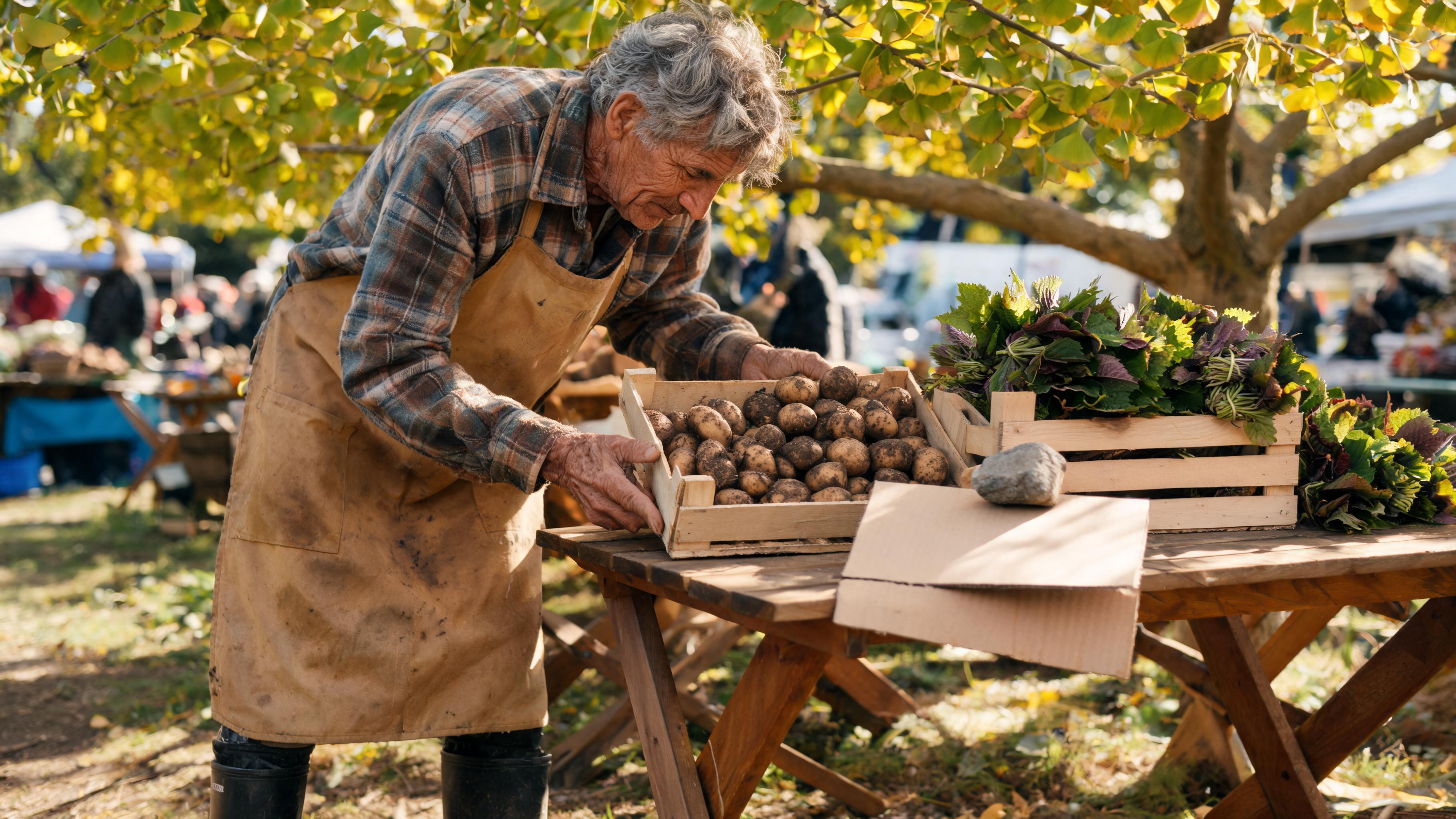
If you want to understand how Japanese food moves from soil to spoon, go to a farmers market. In Tokyo, the Aoyama Marche sets up every weekend with stalls from Chiba mushroom growers, Kochi citrus farmers, and Hokkaido dairy producers. The farmers are usually the ones working the stalls. They will offer you a segment of winter mikan, its oil perfuming your fingers, or a slice of tomato in August that actually tastes like a tomato. These are not luxury goods. They are seasonal facts. The Japan Times series made clear that these producers are fighting to keep heirlooms alive against industrial pressure. When you eat their produce at a local restaurant, you are tasting a decision someone made years ago to save a seed.
The Netflix effect is harder to ignore once you are on the ground. A 303 percent surge in restaurant bookings means that places which once received ten reservations a day are now fielding forty. That math breaks small kitchens. Japan's restaurant industry runs on razor-thin margins and severe staff shortages. A counter with eight seats cannot scale. Quality control slips. Substitutions appear. Worse, a secondary economy of proxy queuers has bloomed around the most famous spots. I have seen tourists pay a guide the equivalent of the meal itself just to stand in a line that starts at dawn. This is voluntary. It is also a poor use of jet lag.
Let us look at that statistic honestly. A 303 percent increase is not merely a spike. It represents a quadrupling of demand on a fixed supply. In restaurant economics, supply is constrained by physical seats, by the number of fish a chef can age, by the oxygen in a room. When demand quadruples, price is the only relief valve. Yet many Japanese counters keep prices static out of loyalty to regulars, which means the queue becomes the currency. Time replaces money as the cost of entry. This is why you see lines at 5:00 AM. It is also why some establishments have adopted lottery systems or prepaid ticketing apps, which shifts the barrier to technological fluency.
Here is a comparison of what the Netflix tourism wave promises versus what a quiet teishoku offers:
| Factor | Hype-Driven Dining | Daily Teishoku Reality |
|---|---|---|
| Booking difficulty | Weeks in advance, proxy queues | Walk in at 11:00 AM, seat yourself |
| Cost per person | Often ¥10,000+ for dinner | ¥800-¥1,500 for lunch |
| Ingredient transparency | Premium branding, vague sourcing | Menu names prefectures directly |
| Pace | Chef-driven, theatrical | Eat, sip tea, leave when ready |
| Language barrier | English often accommodated | Point and smile, minimal English |
| Crowd density | Tourist-heavy, Instagram-frenzied | Local regulars, children, retirees |
If you insist on sushi, and eventually you should, do not start with the place that requires a hotel concierge and a credit card hold. Start with a tachigui zushi bar inside Toyosu Market, or a reliable kaiten-zushi chain like Sushiro. The rice will be warm. The wasabi will be fresh rhizome, grated in the back, not green-dyed horseradish paste. The bill will shock you with its modesty. Food and Beverage Magazine's spotlight on Atlanta's UMI proves that excellent Japanese cuisine can thrive in the American South, but it also proves that sourcing fish from Tokyo's auction floor and flying it to Georgia raises the price in ways that distance and logistics demand. In Tokyo, that distance is a train ride.
I want to address fusion, because the San Francisco opening of Anju raises a question visitors often get wrong. Japan already has Korean-Japanese food. Deep, historic, and non-negotiable. It lives in Tsuruhashi in Osaka, in Shin-Okubo in Tokyo, in the yakiniku parlors where families grill horumon over binchotan. This is not fusion invented for a focus group. It is diaspora cuisine, forged by communities who built restaurants because they needed to eat. If you want Japanese-Korean food in Japan, go there. Eat kimchi that has been fermented in the same crock for years. Taste the difference between a chain yakiniku skirt steak and a Tsuruhashi back-alley cut. What you should skip is the Roppongi lounge that serves Japas to DJs. It might taste fine. It has nothing to do with the place you flew here to understand.
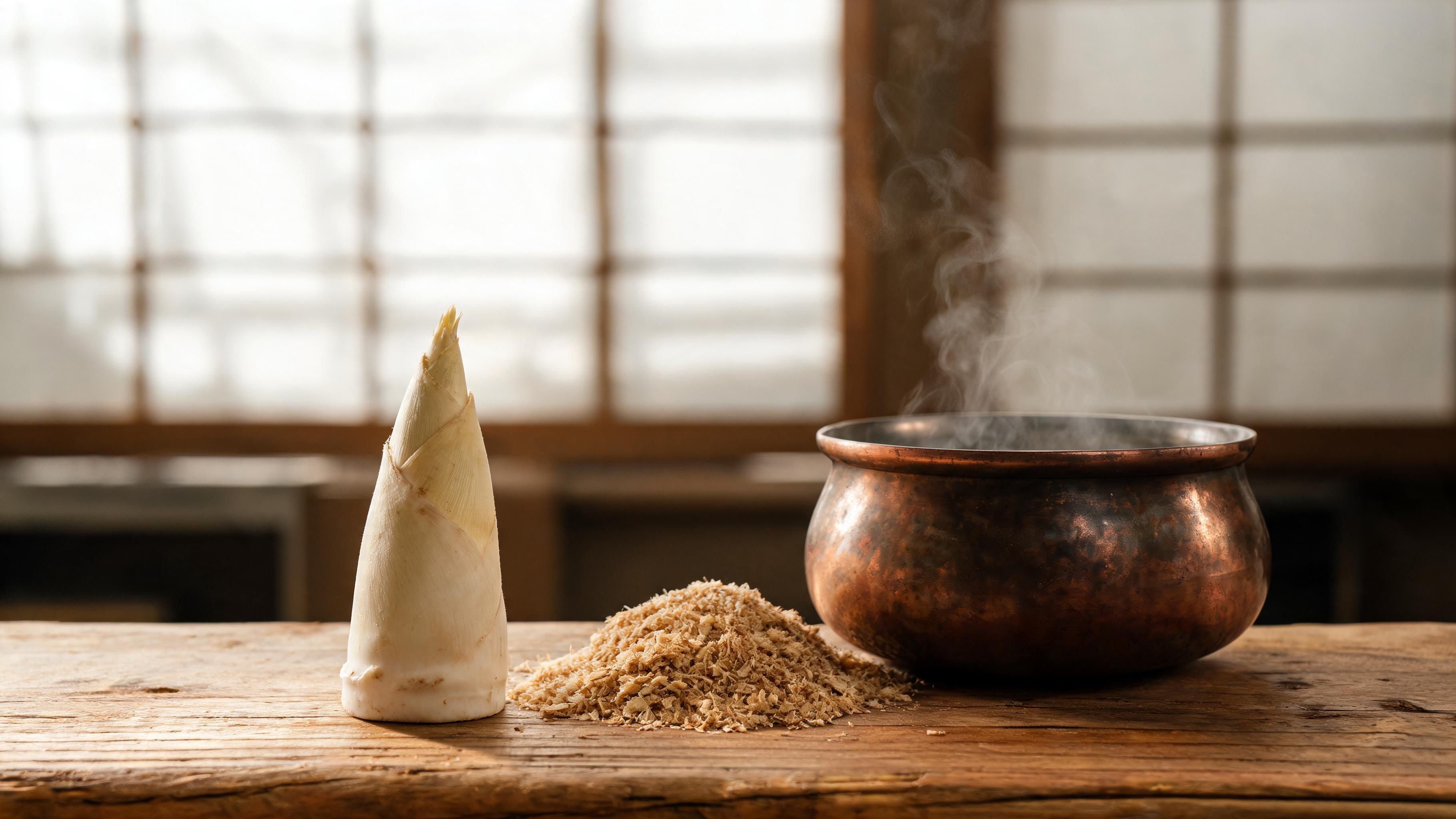
Seasons will define your trip more than any reservation. January brings hakusai napa cabbage and sudachi, and the home dish is nabe cooked at the table. By March, takenoko bamboo shoots appear, their astringency tamed by rice bran boiling. May offers ayu sweetfish, grilled on skewers over charcoal, its insides bitter with upstream determination. September is sanma, Pacific saury, silver and oily, best over charcoal with grated daikon. November is buri yellowtail, turning fatty as it descends the Sea of Japan coast. These are not suggestions. They are the calendar that the farmers in The Japan Times piece obey. To eat sanma in May is possible. It is also spiritually off-key.
What should you avoid, practically speaking? Avoid the temptation to buy a ¥10,000 melon at a depachika basement food hall unless you are gifting it to a host. Those fruits are spectacles of agricultural craft and gift culture. Eating one alone in a hotel room is an anticlimax. Avoid all-you-can-eat wagyu specials that cost less than a taxi ride to the restaurant. The beef is usually imported or low-grade domestic, and the model encourages waste. Avoid convenience store sushi in the first week. It is too good. It will set an unfair baseline and ruin your appreciation of the labor at a proper counter.
Hygiene is generally excellent, but seasonal crowds bring risks. A Tsukiji Outer Market stall serving tamago on a stick at 8:00 AM is safe. An oyster shack at a summer festival at 2:00 PM in 33-degree heat requires your own judgment. Tap water is potable everywhere. Ice is clean. You are more likely to get sick from eating too much rich ramen at midnight than from any sanitary failure.
If you are living here, not just visiting, your education should involve a rice shop. Go to a komeya and ask for shinmai, new harvest rice, between September and December. Cook it in a donabe. Taste the difference between a 2024 Koshihikari and a 2024 Akita Komachi. The vocabulary you build here will transfer to every other meal. The farmers who spoke to The Japan Times understand this. They are not growing abstract calories. They are growing specific starches that release specific sweetness when chewed thirty times.
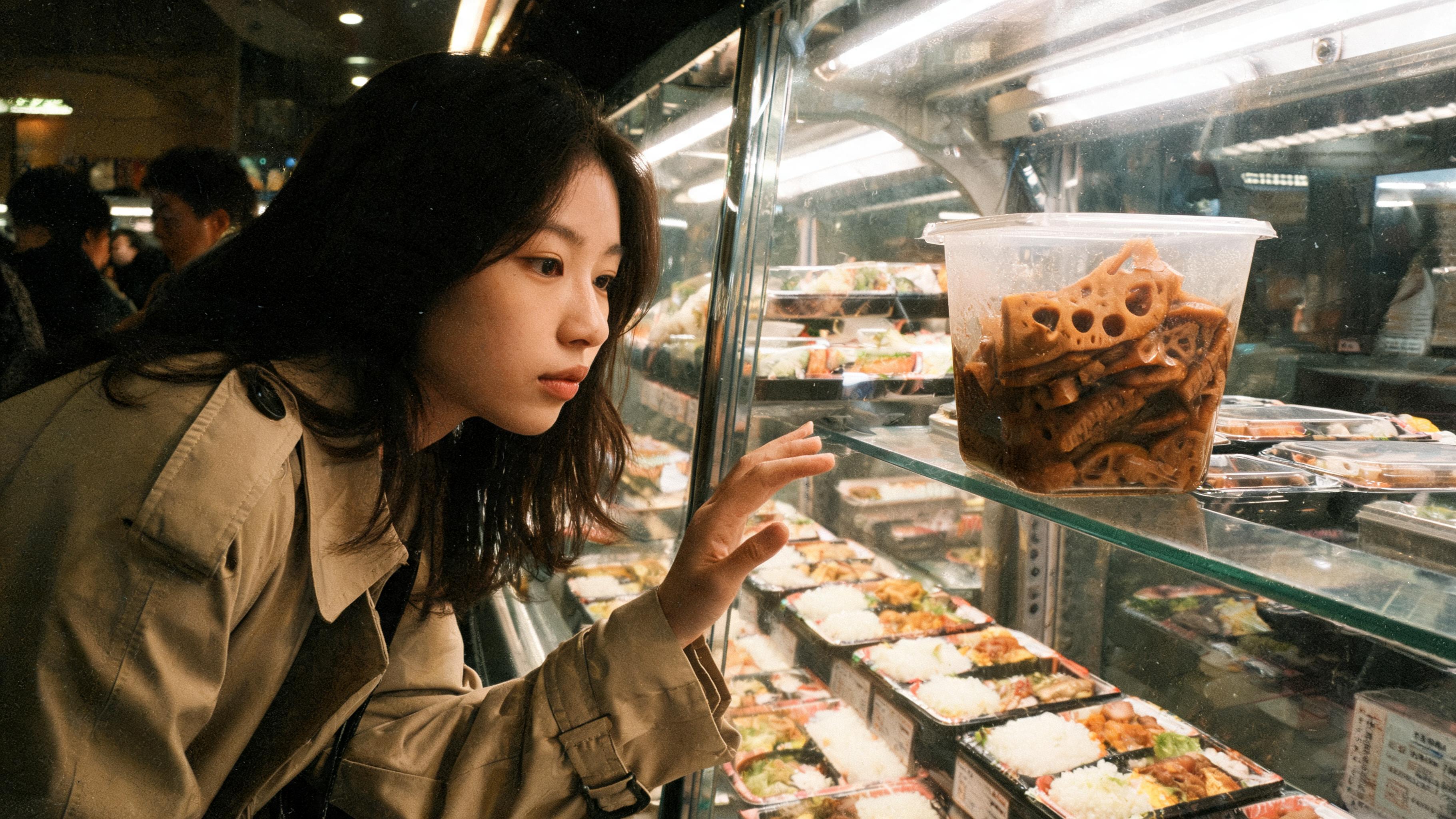
Back to the Netflix statistic. Three hundred three percent. Let us think about what that means for the independent traveler. It means that if you must see a famous spot, go for lunch, not dinner. Go on a Wednesday, not a Saturday. Or better, use Tabelog, the Japanese review site where a 3.5 rating is genuinely excellent and a 4.0 is transcendent. Do not trust aggregate sites calibrated to tourist expectations. Walk into the place with a faded noren curtain and a handwritten menu. If the plastic food models in the window look dusty, that is a good sign. It means they have not updated their display because their regulars already know what they want.
I will close where I began. That wedge of kabocha. In a recent Brooklyn incarnation of Japanese home cooking, it might arrive on a hand-thrown ceramic plate with a tuft of microgreens and a price that could cover an entire teishoku meal in Setagaya. In Sapporo or Sendai or a hundred other cities, it arrives because the farmer harvested it yesterday and the cook remembers how her mother set the drop lid so the broth would not boil. Both plates are real. Only one of them is Japan. If you come here chasing the screen, you will find crowds, proxies, and menus translated into performative English. If you come here chasing the ingredient, you will find a country that still measures its day by what the soil produced this morning. Turn off the stream. Taste the turnip. The kabocha does not care about your algorithm. It cares about the quality of the dashi you simmer it in. Learn that first.