
A surplus that says more about the world than about your rent
Switzerland posted a trade surplus of CHF 8.37 billion in July, widened by strong exports. That single number, buried in a trade bulletin, tells a bigger story than it looks. Switzerland sells more to the world than it buys from it, month after month, largely on the back of pharmaceuticals, precision machinery and watches. In a year when geopolitics and inflation are again dominating economic headlines globally, according to U.S. News & World Report, a country that keeps exporting successfully is a country whose currency keeps looking attractive to hold. And a currency that looks attractive to hold is a currency that gets more expensive. That has consequences for anyone paid in euros or dollars and spending in francs.
Why the export machine keeps humming
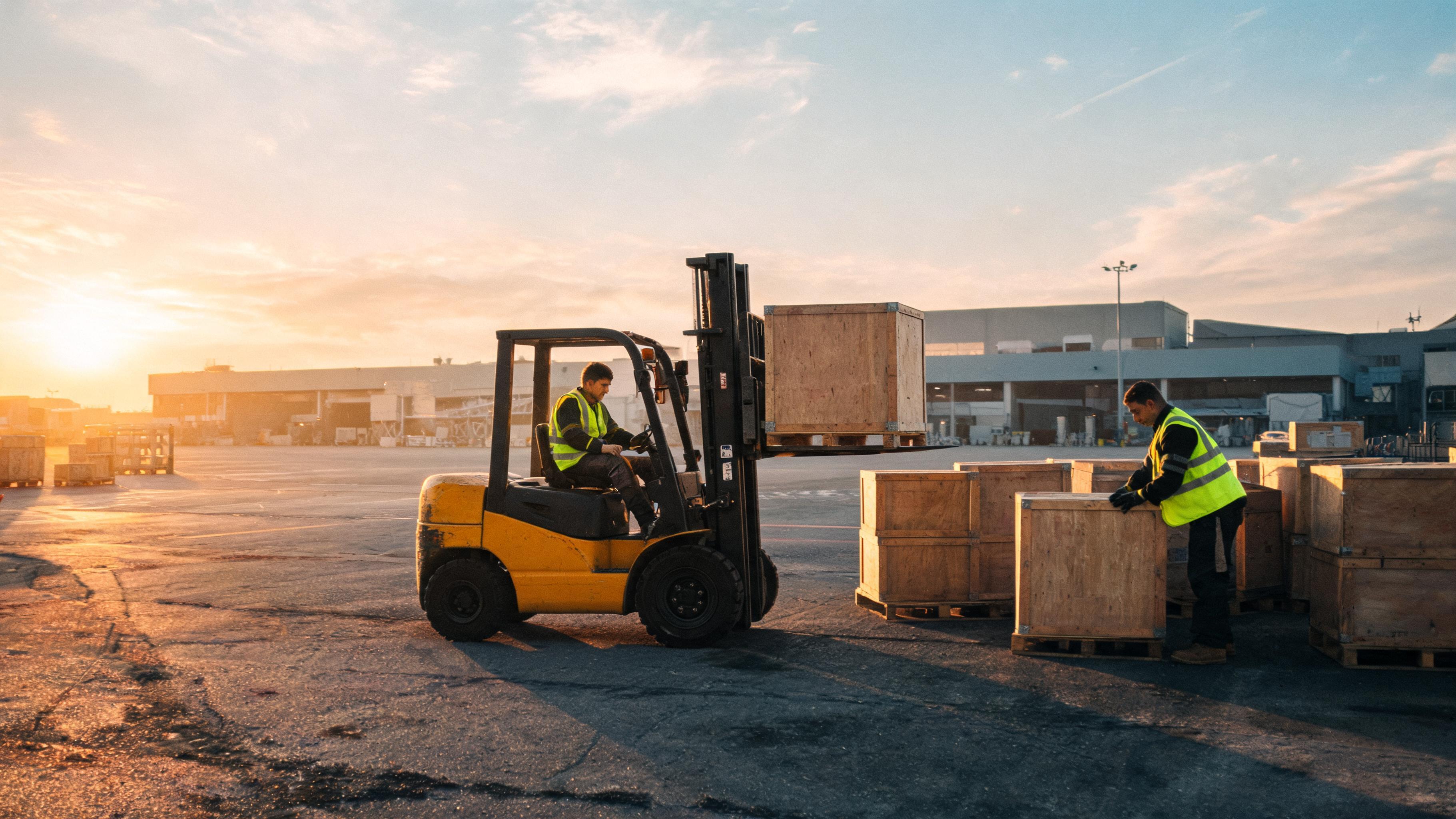
Switzerland's economy leans on a narrow but deep set of industries: pharma giants headquartered around Basel, precision engineering clusters in the Jura and around Zurich, and a watch industry that sells almost entirely abroad. When global demand wobbles, as McKinsey's July 2026 Global Economics Intelligence summary suggests it has been doing, these sectors tend to hold up better than most because demand for medicine and specialized machinery is less sensitive to short-term swings than, say, consumer electronics. That resilience is exactly why the trade surplus widened even as U.S. News frames 2026 as a year where inflation and geopolitical friction are the dominant economic stories worldwide.
My reading here is twofold, and the two readings pull in different directions.
First reading: a wider trade surplus is broadly good news for Switzerland's currency and financial stability. A strong external position supports the Swiss franc, which has historically been treated as a safe-haven currency during global turbulence. For someone with savings in francs, or a salary paid in francs, that stability is reassuring. It also means the Swiss National Bank has less pressure to weaken the currency to support exporters, since exporters are already doing fine.
Second reading: a strong franc is a mixed blessing for the people who actually live and work in Switzerland day to day. It makes Swiss salaries look enormous on paper to someone earning in euros or dollars, but it also makes everything priced in francs, rent, groceries, insurance premiums, correspondingly expensive once you convert your foreign savings or remittances. A tourist booking a hotel in Geneva or Lucerne this summer already feels this. Someone planning to move for work needs to run the numbers twice: once on the salary offer, once on the cost of living once that salary is spent locally.

The housing question nobody's export figures answer
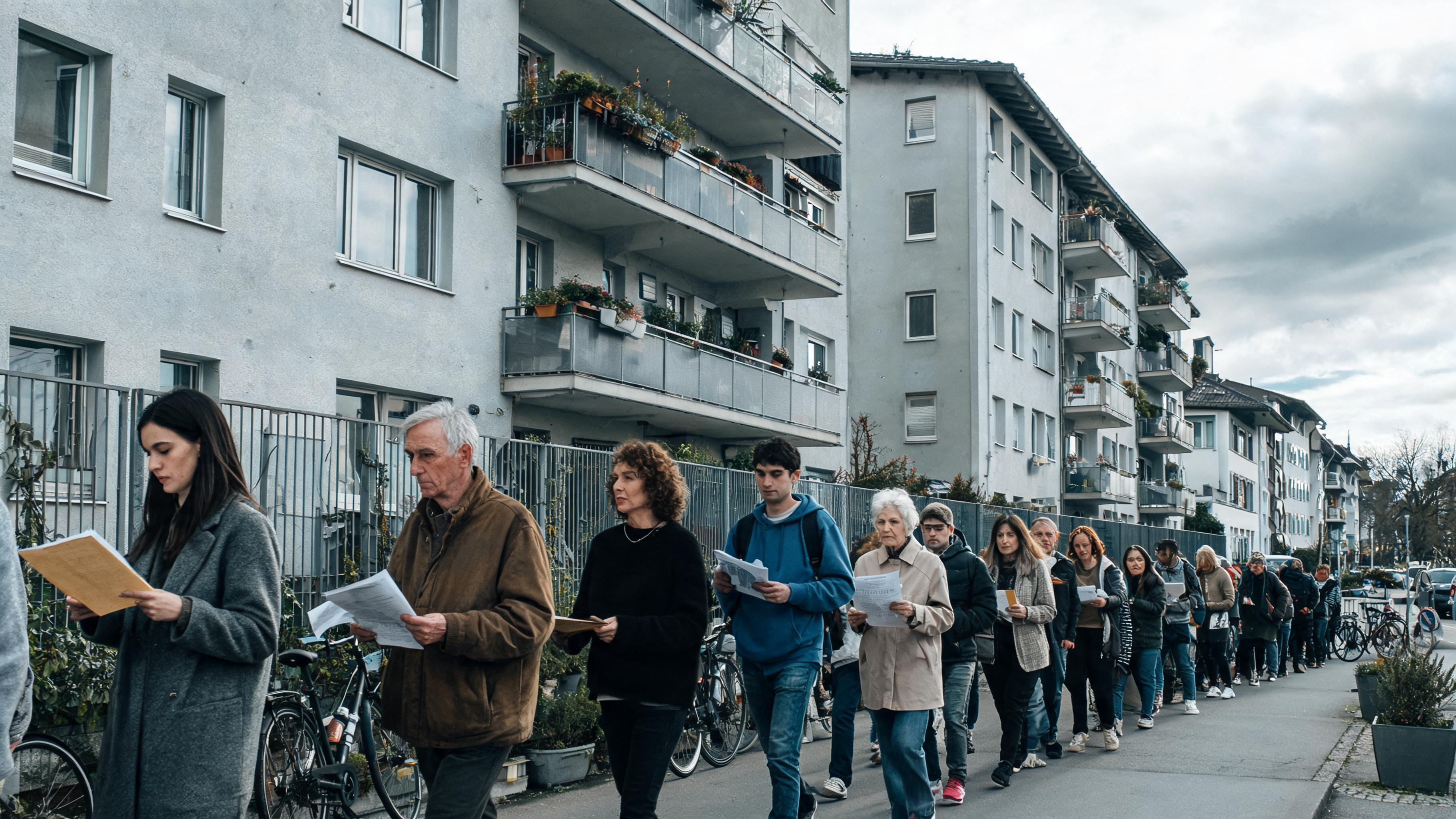
UBS published its Switzerland real estate outlook for June 2026, and the timing matters. A trade surplus tells you the country is earning well from abroad. It says nothing about whether that wealth is translating into more homes for the people who live there. Switzerland's housing market has been a live policy concern for years, driven by low vacancy rates in major urban centers and a construction sector that struggles to keep pace with demand, particularly around Zurich, Geneva and Basel. UBS producing a fresh edition of this outlook every year is itself a signal: this is not a problem that resolved itself, it is a recurring watchpoint for both buyers and renters.
For anyone thinking about relocating, my reading is that the housing squeeze is likely to remain the single biggest practical obstacle to moving to Switzerland, more than taxes, more than language, more than bureaucracy. A strong economy and a strong currency do not automatically produce more available apartments. If anything, a resilient export sector that keeps attracting skilled foreign workers to cities like Basel or Zug can tighten local rental markets further, because demand for housing rises faster than supply in places where construction land is scarce and zoning is restrictive.
| Factor | What it typically means for a newcomer |
|---|---|
| Strong franc | Salary converts well from abroad, but local prices feel steep once you're paid in francs |
| Trade surplus | Signals broad economic resilience, supports currency stability |
| Tight urban housing | Longer apartment search, competitive bidding even for rentals, especially in Zurich, Geneva, Basel |
| Export-driven jobs | Strong demand for skilled labour in pharma, engineering, finance and insurance |
Insurance, AI money and what it means for jobs
The Swiss Re Institute's estimate that a USD 750 billion AI investment boom is reshaping the insurance landscape, alongside broader geopolitical fragmentation, is worth pausing on for anyone eyeing Switzerland as a place to build a career rather than just visit. Zurich is one of the world's reinsurance capitals, home to Swiss Re and Zurich Insurance Group among others. When a global institute headquartered in Switzerland flags a structural shift of that scale, it is describing a sector that is actively hiring for new risk models, actuarial roles adapted to AI-related exposure, and data specialists who understand both insurance and machine learning.
Here too, two readings are worth holding side by side. One is optimistic: a growing, mutating insurance sector in a country already specialized in it is good news for skilled workers considering a move, particularly those with quantitative or technology backgrounds. The other is more cautious: geopolitical fragmentation, the same trend U.S. News flags as an economic headline for 2026, also means more volatility in the kind of cross-border risks insurers price, which can make hiring cycles less predictable even in a growing sector. Growth and stability are not the same thing, and Switzerland's insurance hub is currently offering more of the former than guarantees of the latter.
What this means if you're planning a move now
Someone weighing a relocation to Switzerland in the coming months is really weighing three separate clocks running at different speeds: the currency clock, which currently favours holding francs but makes spending them abroad-earned money more expensive; the housing clock, which UBS's recurring reports suggest is not easing quickly; and the sector clock, where export-linked and insurance-linked jobs appear to be where the momentum is, according to the Swiss Re Institute's figures. None of these clocks move in sync, which is exactly why a single trade surplus number cannot tell the whole story on its own.

What to watch next
The next Swiss National Bank policy statement will be worth reading closely for any signal on franc strength and its tolerance threshold. UBS's next real estate outlook, likely later this year, should clarify whether the housing squeeze described in the June 2026 edition is easing or hardening in specific cities. And McKinsey's next Global Economics Intelligence update will show whether the geopolitical fragmentation flagged by Swiss Re and U.S. News is deepening or stabilizing heading into the rest of 2026. None of these point to a single outcome yet, and that uncertainty is itself the most honest thing I can tell you about timing a move to Switzerland right now.
Analysis by André Castelo.